

On Savannah’s eastern side, Wormsloe State Historic Site preserves the colonial estate of Noble Jones, with a live-oak avenue leading into its historic landscape. The avenue, tabby ruins, museum, and trails offer different ways to explore the estate’s past.
- Location: Savannah, Georgia
- Historic setting: Noble Jones’s colonial estate, with a tabby ruin and live-oak avenue
- Trails: dirt Interpretive and Pine trails
- Visitor facilities include a museum, picnic area, and day-use restrooms
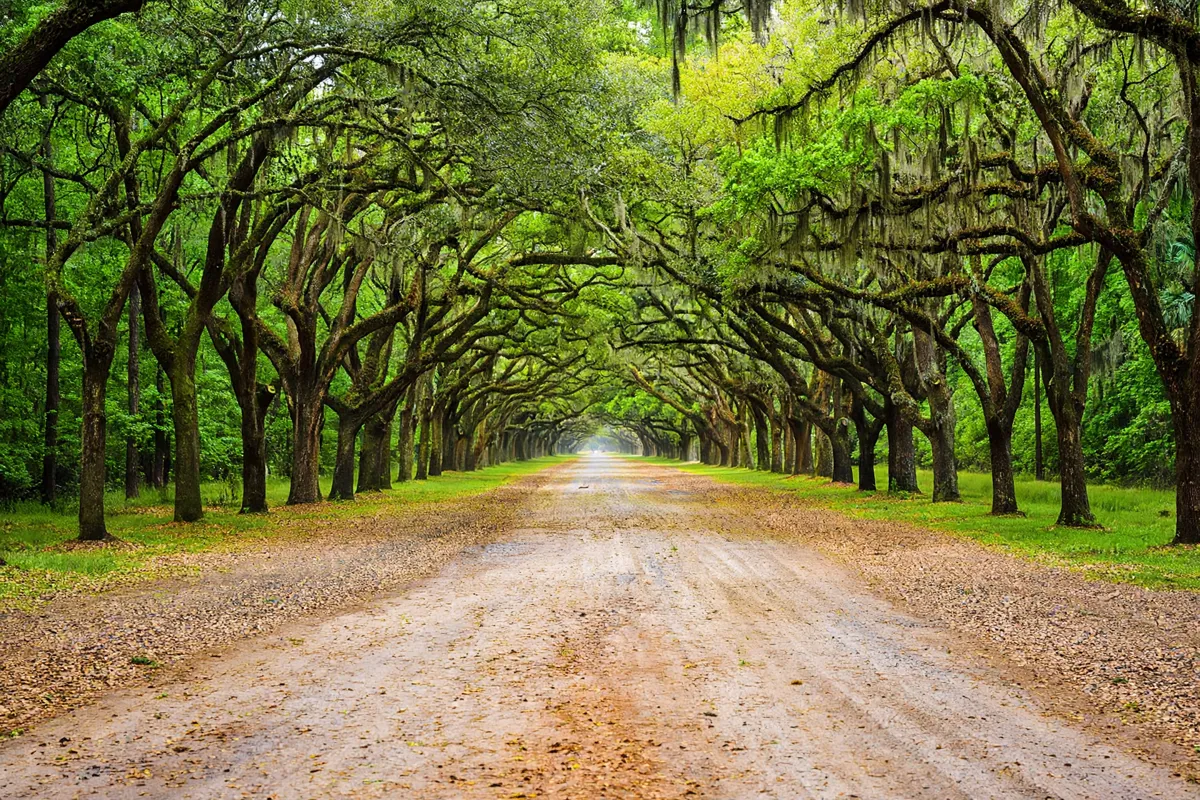
The live-oak avenue and historic setting
A live-oak-lined avenue leads into Wormsloe State Historic Site and sets the scene for the historic estate. The avenue is part of the site’s approach, while the surrounding landscape includes marsh, trails, and the remains of the colonial property.
Wormsloe was the estate of Noble Jones, who came to Georgia with James Oglethorpe and the first group of settlers from England in 1733. Jones lived from 1702 to 1775. Georgia acquired most of the Wormsloe property in 1973.
The setting is worth taking in as you move from the avenue toward the historic remains and paths. For another history-focused outing in the area, Fort Pulaski National Monument offers a separate look at the region’s past.
What does Wormsloe State Historic Site interpret?
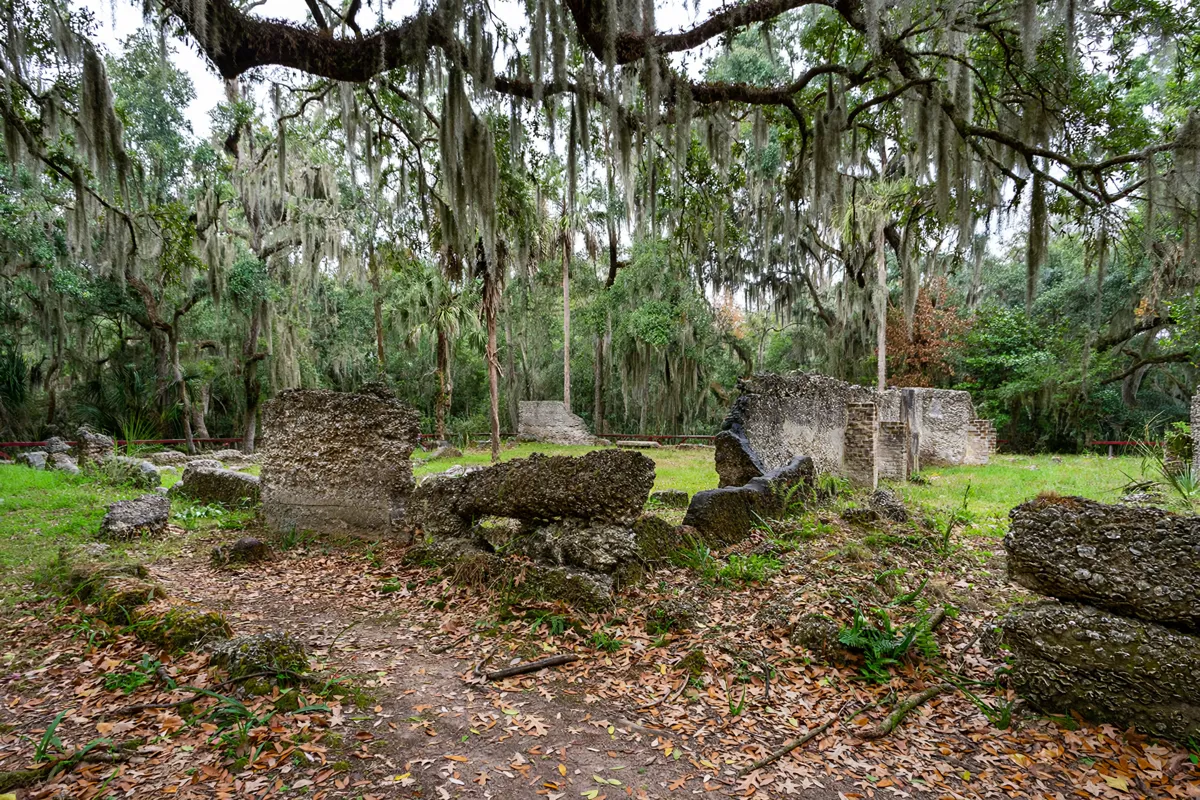
Wormsloe interprets the colonial estate through its tabby ruins, museum, and Colonial Life Area. Its tabby ruin is one of the oldest standing structures in Savannah.
The museum displays artifacts unearthed at Wormsloe. The interpretive nature trail passes the tabby ruins, follows the marsh, and leads to the Colonial Life Area. The shuttle tour includes a look at the ruins of a fort built by Captain Noble Jones in the 1730s and a reconstructed Colonial Life Area.
On foot, the dirt Interpretive Trail is 0.8 mile long, and the dirt Pine Trail is 0.25 mile long. The Nature Trail is 7 miles long. Leashed pets are allowed on historic-site trails, but not in buildings.
If you are planning a wider day around Savannah’s historic places, a route through Savannah Historic District squares and Bull Street focuses on the city’s historic district.
Hours, admission, and visitor access
Check the official site before you go for current visitor details, including opening hours and admission prices.
Wormsloe has a gift shop, picnic area, bus parking, Wi-Fi in the site office, an event room reservable through the site office, and an EV charger. A ranger-driven golf cart is available with advance notice, and an All-Terrain Georgia Action Trackchair is among the accessible facilities or amenities.
Shuttle tours depart from the visitor center every 30 minutes, at the top and bottom of the hour, and last approximately 20 minutes. The tour follows Live Oak Avenue, with an interpretive ranger introducing the site’s history. You can get off at the museum and board a return shuttle after exploring. No reservations are required for shuttle tours.
Times checked November 2026.
How do you get from Savannah to Wormsloe?
From Savannah Garden Hotel, plan on about 3.2 miles to Wormsloe State Historic Site. Enter the site’s location in your navigation app when planning your drive.
The site’s GPS coordinates are 31.9836900° N, 81.071790° W. Once there, you can pair a look at the avenue with the museum and a walk along the interpretive trail, or use the shuttle tour to hear an introduction and visit the museum before catching a return shuttle.
FAQs
What is the tabby ruin at Wormsloe?
It is a historic ruin at the site and one of the oldest standing structures in Savannah.
Can you bring a dog to Wormsloe?
Leashed pets are allowed on the historic-site trails, but not inside buildings.
Do you need a reservation for the shuttle tour?
No reservations are required for shuttle tours. They depart from the visitor center and include a stop at the museum.